
UG Company Formation in Germany | The Low-Capital Path to Starting Your Business
You don’t need €25,000 to get limited liability protection in Germany. The UG lets startups and early-stage founders register a legally protected company with as little as €1 in starting capital — without giving up the legal structure a serious business needs.
✔ Limited liability protection with minimal starting capital
✔ Fast, startup-friendly path into the German market
✔ Can convert into a full GmbH as your business grows

What Is a UG?
A UG (Unternehmergesellschaft), often called a "Mini GmbH," is a German private limited company structure designed for founders who want limited liability protection without the €25,000 capital requirement of a standard GmbH. It's a legally distinct, fully recognized entity type — not a temporary or lesser version of a GmbH — that can later convert into a full GmbH once the business builds sufficient reserves. This makes the UG the most common entry point for startups, solo founders, and early-stage international businesses testing the German market before committing larger capital.
Why Choose a UG?
| Feature | Detail |
|---|---|
| Liability | Limited to company assets — personal assets protected, same as a GmbH |
| Capital requirement | As little as €1, though a realistic working amount is recommended |
| Reputation | Fully legitimate, though seen as less established than a GmbH by some banks/partners |
| Best for | Startups, solo founders, early-stage market entry |
| Growth path | Must retain part of annual profits until reserves are sufficient to convert to a GmbH |
The trade-off is straightforward: lower barrier to entry now, in exchange for a mandatory profit-retention rule until the company builds up to GmbH-level capital.

Who Should Choose a UG?
- Startups that want to move fast without raising €25,000 in capital first
- Solo founders and small teams testing the German or EU market before scaling
- Amazon sellers and e-commerce founders entering Germany with a lean operating budget
- International founders who plan to convert to a GmbH once revenue supports it
- Service-based businesses with lower upfront capital needs than manufacturing or product businesses
Our UG Formation Process:
- Initial consultation — we confirm a UG fits your capital situation and business goals
- Company name check — we verify your desired name is available with the trade register, and can coordinate trademark protection alongside it
- Document preparation — articles of association and formation documents are prepared, often using a simplified template for standard UG setups
- Capital deposit — your chosen starting capital (as low as €1, though we advise a realistic working amount) is deposited
- Notarization — the company's formation documents are formally notarized
- Commercial register (Handelsregister) filing — the UG is registered, making it a legally recognized entity
- Post-formation setup — support with tax registration, business bank account, and VAT registration as needed

The Profit-Retention Rule:
A UG is legally required to retain 25% of its annual net profit each year until its accumulated reserves reach the €25,000 threshold that qualifies it to convert into a full GmbH. This isn’t optional — it’s built into the UG’s legal structure as the trade-off for the lower starting capital.
UG Formation for International Founders:
We support UG formation for founders and companies entering Germany from multiple countries:
- 🇮🇳 From India
- 🇺🇸 From USA
- 🇬🇧 From UK
- 🇨🇳 From China
Still Deciding Between UG and GmbH?
If you’re not sure whether a UG or GmbH fits your situation better, see our full comparison: GmbH vs UG: Which Structure Is Best for Foreign Investors

What's Included in Our UG Formation Service:
- Company name availability check (and trademark coordination if needed)
- Preparation of articles of association and formation documents
- Guidance on starting capital and the profit-retention requirement
- Coordination with a German notary
- Commercial register (Handelsregister) filing support
- Post-formation guidance: bank account, tax ID, VAT registration
- Guidance on converting to a GmbH once reserves qualify
About Our Expertise:
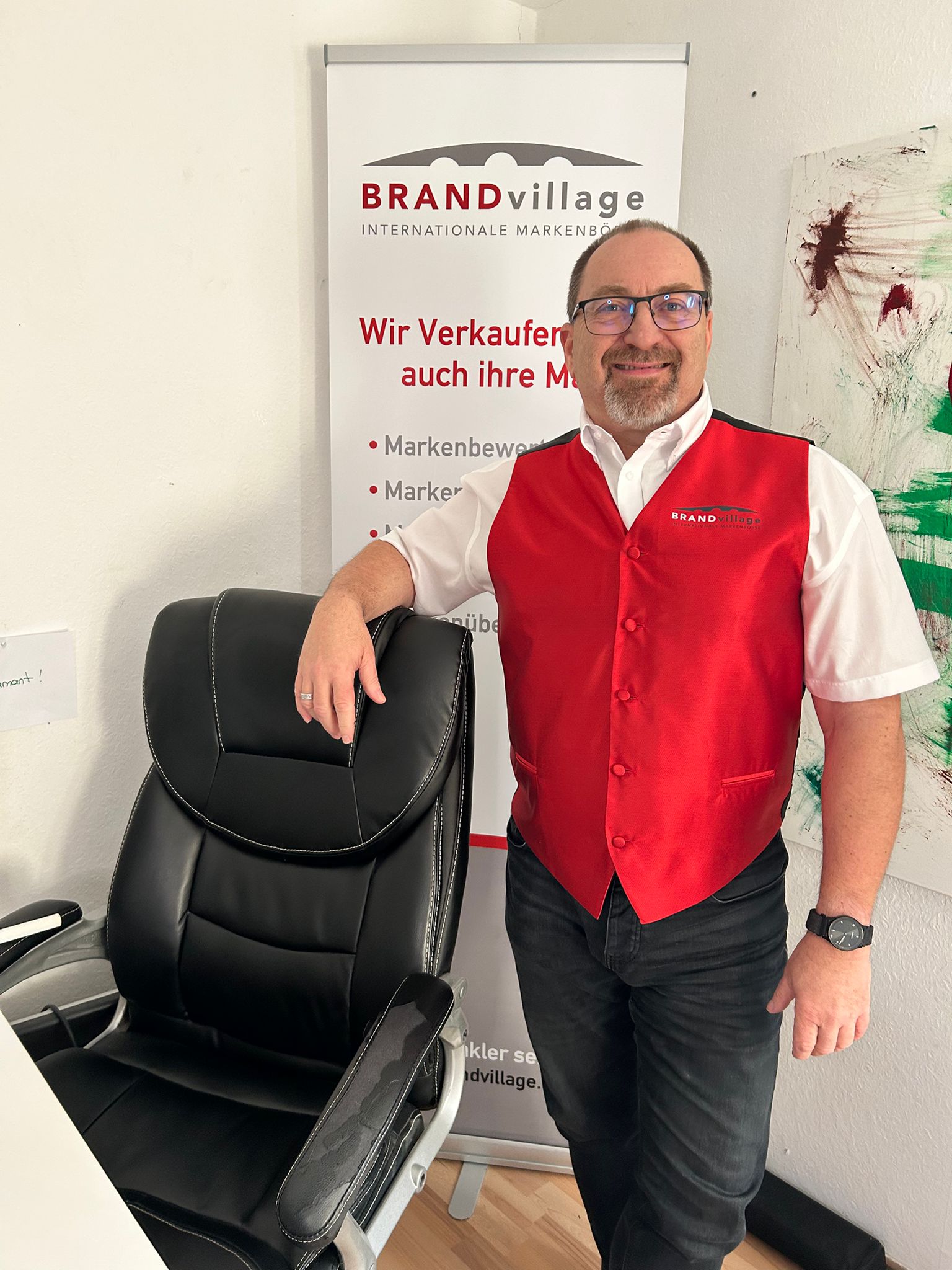
This service is led by Stefan Geisler, a Germany-based trademark and business advisor experienced in guiding international founders through UG formation, from entity structuring to notary registration and eventual GmbH conversion.
Frequently Asked Questions
How much capital do I need to form a UG?
Legally, as little as €1, though we typically advise starting with a realistic working amount to support actual business operations.
Is a UG a real, legally recognized company, or a temporary structure?
It’s a fully recognized, legally distinct entity type — not temporary — though it carries a mandatory profit-retention rule that a GmbH does not have.
How does a UG convert into a GmbH?
Once the UG’s retained reserves (from setting aside 25% of annual profit each year) reach the €25,000 GmbH capital threshold, it can formally convert into a GmbH.
Do banks and partners treat a UG differently from a GmbH?
Some banks and larger business partners view a UG as less established than a GmbH, though it remains a fully legitimate and legally protected structure.
Can a foreigner form a UG in Germany?
Yes. There’s no requirement to be a German or EU citizen or resident to form and own a UG.
Does forming a UG protect my company name as a trademark?
No — company registration and trademark protection are separate legal processes. See our Company Formation with Trademark Service to cover both.
Is a UG a good fit for an Amazon seller entering Germany?
Often yes, especially for sellers testing the market with limited upfront capital — though a GmbH may suit sellers wanting stronger banking and partner credibility from the start.